Focus on Comfort: A Complete Guide to Contact Lens Types
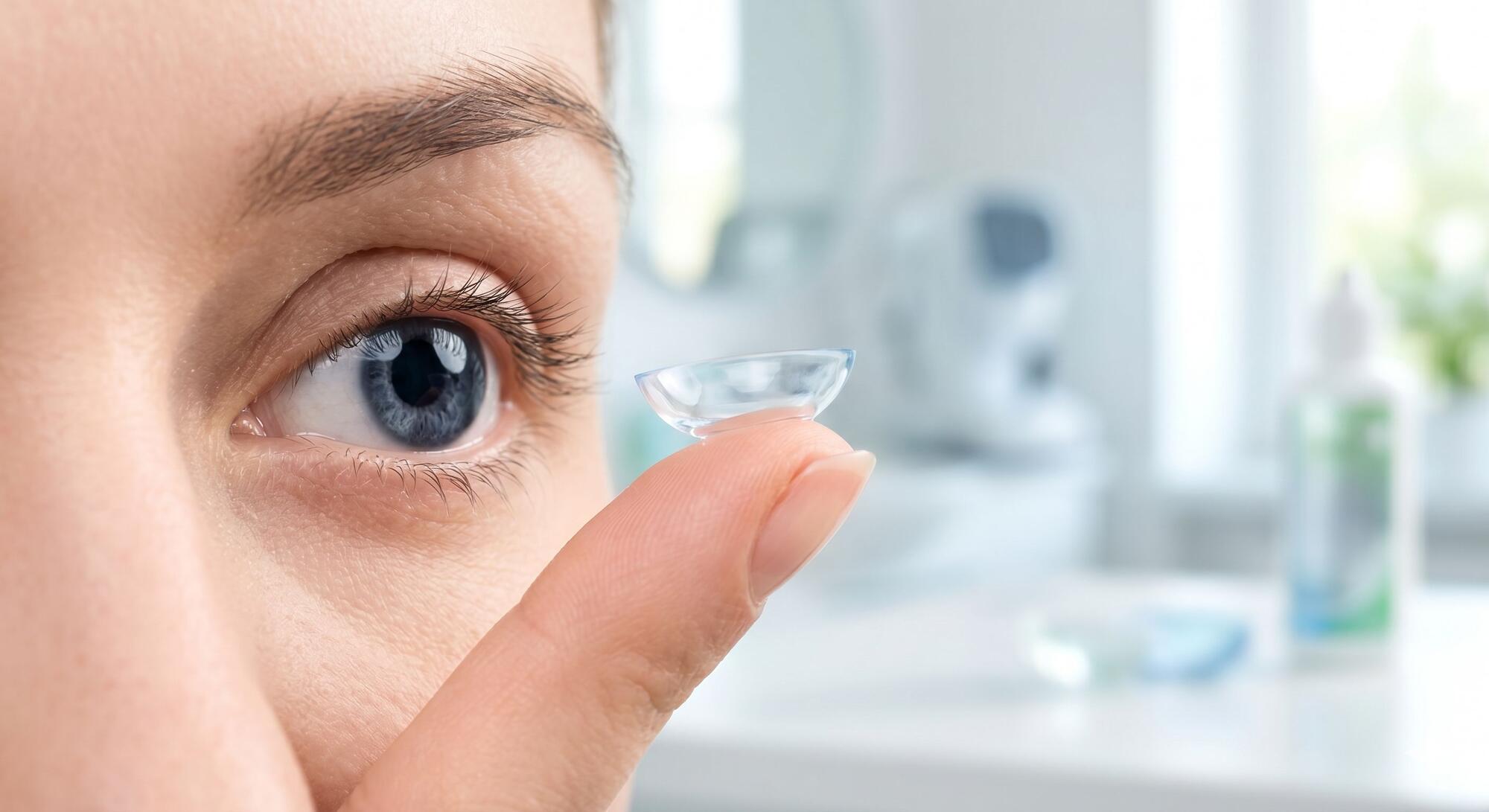
If you’re considering ditching your frames or just looking to switch up your current routine, the world of contact lenses can feel a bit like a maze. Between materials, replacement schedules, and specialized prescriptions, there is a lot to consider.
The good news? Advancements in optical technology mean there is a lens for almost every eye shape and lifestyle. Here is a breakdown of the primary types of contact lenses available today.
1. Classification by Material
The material of the lens determines how it feels on your eye and how much oxygen reaches your cornea—a vital factor for eye health.
- Soft Lenses: Made from gel-like, water-containing plastics. They are the most common choice because they are comfortable almost immediately.
- Silicone Hydrogel: An advanced type of soft lens that allows significantly more oxygen to reach the eye, making them ideal for long hours or those prone to dry eyes.
- Rigid Gas Permeable (RGP) Lenses: Often called "hard lenses," these are more durable and provide crisper vision, especially for people with high astigmatism. They do, however, require a "break-in" period to get used to the sensation.
2. Replacement Schedules
How often do you want to deal with cleaning and storage? Your lifestyle usually dictates this choice.
3. Specialty Lenses for Specific Needs
Contacts aren't just for nearsightedness anymore. Modern lenses can solve complex vision issues:
Toric Lenses (For Astigmatism)
If your eye is shaped more like a football than a basketball, you have astigmatism. Toric lenses are weighted at the bottom to ensure they stay in a specific orientation on your eye, providing stable, clear vision.
Multifocal Lenses (For Presbyopia)
As we age, it becomes harder to see things up close. Multifocal lenses contain multiple zones of power—much like bifocal glasses—allowing you to see your phone, your computer, and the road ahead without switching to "readers."
Scleral Lenses
These are large-diameter gas-permeable lenses that vault over the entire cornea. They are life-changing for patients with irregular corneas (like Keratoconus) or severe dry eye syndrome.
4. Cosmetic and Decorative Lenses
Sometimes, lenses are about more than just seeing; they're about your look.
- Color Enhancers: Translucent tints that brighten your natural eye color.
- Opaque Tints: Solid colors that can change a dark brown eye to a bright blue or green.
- Theatrical Lenses: Used for costumes or film, these can create "cat eyes," "zombie eyes," or other dramatic effects.
Important Note: Even if you have 20/20 vision and only want "costume" lenses, you must get a prescription. A lens that doesn't fit your eye correctly can cause serious infections or permanent scarring.
Which One is Right for You?
The "best" lens is the one that feels invisible and keeps your vision sharp. Your eye doctor will perform a fitting to measure the curvature of your eye and check your tear film to ensure the material you choose won't dry out.
Are you currently wearing glasses, or are you looking to upgrade your current contact lens brand?